
 ESTIMATED DELIVERY DATE: 1-2 working days
Blog
Fire Bowl Cooking for Beginners: Safe Setup, Skewers and Sides
Jun
Fire Bowl Cooking for Beginners: From Safe Setup to Skewers, Flatbreads and Sides
Cooking over live fire is one of the simplest ways to elevate outdoor dining. A fire bowl or low-smoke fire centre turns a garden into a relaxed cooking space where food goes straight from heat to plate — no fuss, just flavour.
With the right setup and a few basic techniques, you can produce crisp flatbreads, juicy skewers, golden halloumi and perfectly charred vegetables with confidence. This guide covers everything you need to get started safely and cook effectively on systems like Bowl 57, MOON, and similar fire bowls with plancha or grill inserts.
Choose Your Spot and Set Up Safely
Good positioning is the foundation of safe and enjoyable fire cooking.
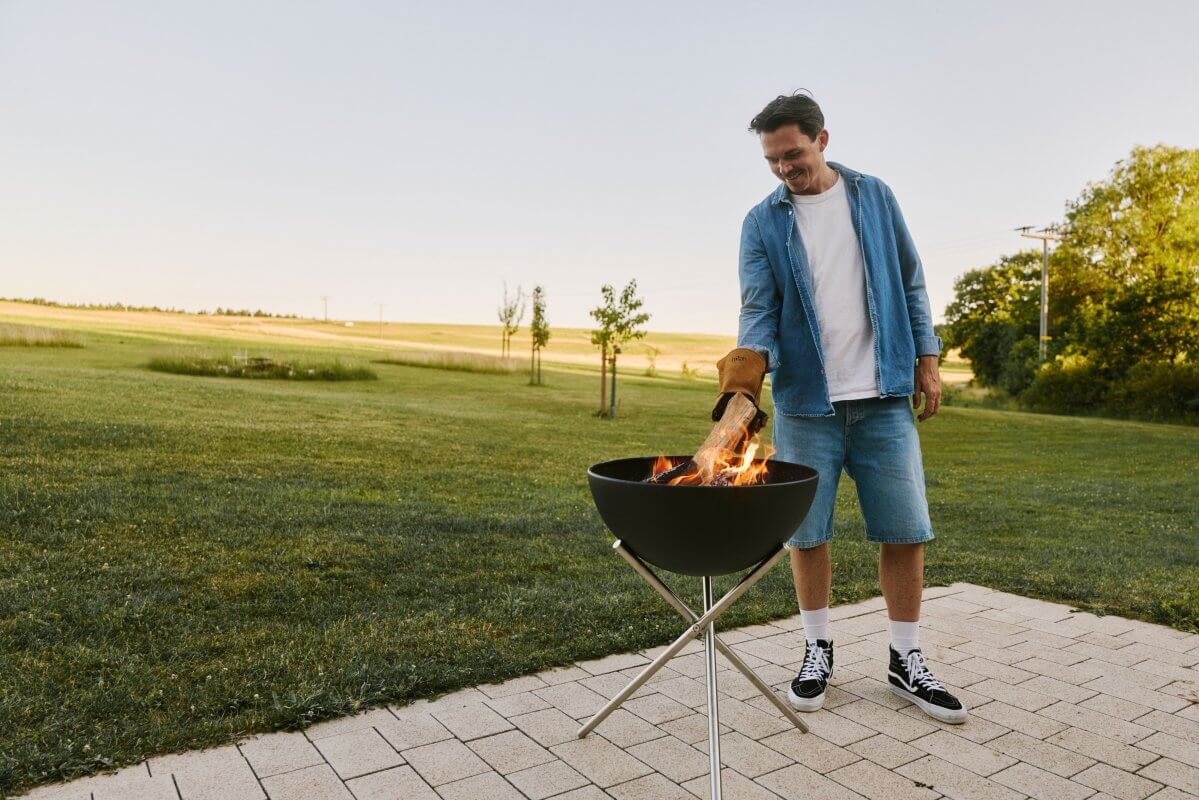
Start with a stable, non-flammable surface such as paving or a heat-resistant patio base. Avoid grass, decking or timber unless you are using a rated heat shield.
Key setup principles:
- Maintain a clear safety zone around the fire bowl for children and pets
- Use long-handled tools to avoid leaning over heat
- Position the bowl so smoke drifts away from seating areas and neighbouring gardens
- Avoid strong gusts of wind where possible
- Use a spark screen when burning logs to control embers
- Only fit covers once the fire bowl is completely cool
In built-up areas, be mindful of local smoke guidance and neighbour proximity. Wind direction, fuel choice and timing all play a role in keeping things considerate.
For options and inspiration, explore our range of outdoor fire pits and fire bowls:
http://www.gardenchefs.co.uk/fire-pits
Fuel: What to Burn for Clean Heat and Better Flavour
Fuel choice directly affects heat control, smoke output and flavour.
Best fuel options:
- Kiln-dried hardwood logs – clean-burning, reliable and ideal for cooking
- Hardwood pellets (where compatible) – steady heat and low smoke
Avoid:
- Treated timber
- Painted or glued wood
- Damp or softwood (excess smoke and poor heat control)
Smokeless and low-smoke fire bowls use engineered airflow systems to reburn smoke, delivering cleaner flames and a more comfortable cooking environment for close-knit gardens.
Useful extras:
- Natural firelighters and kindling
- Heat-resistant gloves
- Long tongs and a plancha scraper
Preheating 101: The Water-Drop Test
Your plancha or grill plate must reach the right temperature before cooking begins.
Once your fire is established, fit your cooking surface and allow it to heat fully.
Water-drop test:
- Water sits and steams slowly → not ready
- Droplets dance briefly → medium heat
- Droplets skitter and evaporate instantly → searing hot
Oil the surface lightly only once it is hot. This helps prevent sticking and builds seasoning over time.
After cooking, scrape the plate while warm and apply a thin layer of oil to protect the surface.
Create Hot and Cool Zones
A fire bowl naturally creates heat variation across the cooking surface.
Use this to your advantage:
- Hot zone: fast searing (steaks, halloumi, prawns, courgettes)
- Medium zone: steady cooking (chicken skewers, mushrooms, aubergine)
- Cool zone: resting and finishing (flatbreads, gentle warming)
Instead of cooking everything in one area, move food through zones for better control and consistency.
Simple Recipes That Always Work
Start simple and build confidence with reliable crowd-pleasers.
Chicken, Lemon & Herb Skewers
Marinate chicken thigh pieces with:
- Lemon zest
- Garlic
- Olive oil
- Thyme
- Salt and pepper
Cook over high heat to sear, then move to medium to finish. Add a squeeze of lemon before serving.
Veg & Halloumi Skewers
Combine:
- Peppers
- Red onion
- Courgette
- Halloumi cubes
Season with olive oil, smoked paprika and oregano. Grill until golden and slightly charred, then finish with yoghurt and sumac.
Griddled Flatbreads
Mix:
- 250g self-raising flour
- 250g Greek yoghurt
- Pinch of salt
Knead lightly, rest for 10 minutes, divide and roll thin. Cook directly on the hot zone until puffed and golden, flipping once. Finish with garlic butter and parsley.
One-Pan Fire Bowl Vegetables
Use:
- Onions
- Cherry tomatoes
- Courgette
- Fennel
Cook on medium heat until softened, then push to hotter zones for caramelisation. Finish with olive oil and red wine vinegar.
Golden Halloumi
Slice thick, oil lightly and sear until golden on both sides. Serve with lemon and optional honey-chilli drizzle.
Are Fire Pit Barbecues Any Good?
Yes — when designed for cooking and used with proper accessories.
A fire bowl with a plancha or grill insert offers:
- High heat for searing
- Cooler zones for controlled cooking
- A social, open-fire cooking experience
Low-smoke designs also improve comfort in smaller gardens and closer neighbour settings.
For longer cooks, a dedicated charcoal grill or smoker can complement your setup for weekend low-and-slow cooking.
Can You Cook on a Fire Pit or Smokeless Model?
Yes, provided the system is designed for cooking and fitted with suitable accessories.
Many modern fire bowls support:
- Plancha plates
- Grill grates
- Modular cooking inserts
Smokeless fire pits are especially effective thanks to secondary combustion, which produces steady, clean heat.
Always follow manufacturer instructions and avoid improvised cookware over open flames.
Accessories That Make Cooking Easier
The right tools improve safety, control and results.
Recommended essentials:
- Plancha plates or grill inserts
- Long-handled tongs and spatulas
- Heavy-duty scraper for cleaning
- Spark screens for log fires
- Fitted covers for protection once cool
Explore compatible tools and accessories:
https://www.gardenchefs.co.uk/product-category/hofats/tools/
UK Etiquette and Neighbour-Friendly Cooking
Fire cooking is best enjoyed responsibly.
Good practice includes:
- Choosing calm evenings with light wind
- Using clean-burning kiln-dried hardwood
- Avoiding excessive smoke and late-night stoking
- Giving neighbours advance notice when appropriate
- Checking local council guidance where unsure
Small adjustments make a big difference in shared residential spaces.
Should You Use Water to Put Out a Fire Bowl?
No — not while it is hot.
Pouring water onto a hot fire bowl can:
- Warp metal plates
- Crack cast components
- Create messy ash slurry
Instead:
- Let the fire burn down naturally
- Spread embers to speed cooling
- Use a snuffer lid if supplied
- Dispose of ash only when fully cold
Always prioritise gradual cooling over rapid quenching.
Care After Cooking
A simple routine keeps your fire bowl in top condition:
- Scrape the plancha while still warm
- Wipe and lightly oil the surface
- Brush ash out once fully cool
- Store accessories indoors during wet weather
- Use a protective cover when dry and cool
Consistency here prevents rust and extends equipment life.
Quick-Start FAQ
Can I use a fire pit as a barbecue?
Yes, if it is designed for cooking and fitted with a grill or plancha.
Are smokeless fire pits good for cooking?
Yes. They offer steady heat and reduced smoke, ideal for controlled cooking.
What is the best fuel for a fire bowl?
Kiln-dried hardwood logs are the most reliable and clean-burning option.
What accessories do I need?
At minimum: plancha or grill insert, long tongs, scraper, spark screen and cover.
Should I pour water on a fire pit to extinguish it?
No. Let it burn down and cool naturally or use a snuffer if available.
Helpful Kit and Next Steps
To build a flexible outdoor cooking setup, consider modular systems like the Hofats Fire Kitchen, which integrates cooking and fire in one design-led platform:
https://www.gardenchefs.co.uk/buy/hofats-fire-kitchen/
For longer weekend cooks, charcoal and kamado systems offer excellent low-and-slow performance:
https://www.gardenchefs.co.uk/monolith/
Browse accessories and tools to complete your setup:
https://www.gardenchefs.co.uk/product-category/hofats/tools/
Summary
Fire bowl cooking is straightforward once you understand the basics: safe placement, clean-burning fuel, proper preheating and controlled use of hot and cool zones.
Start with simple recipes like skewers, flatbreads and grilled vegetables, then expand your setup with the right accessories for better control and consistency.
Cook safely, respect your surroundings, and the fire bowl quickly becomes one of the most enjoyable ways to cook outdoors.
