

 ESTIMATED DELIVERY DATE: 1-2 working days

Blog
Monolith Kamado Winter Cooking Guide: Low-and-Slow and Pizza
Nov
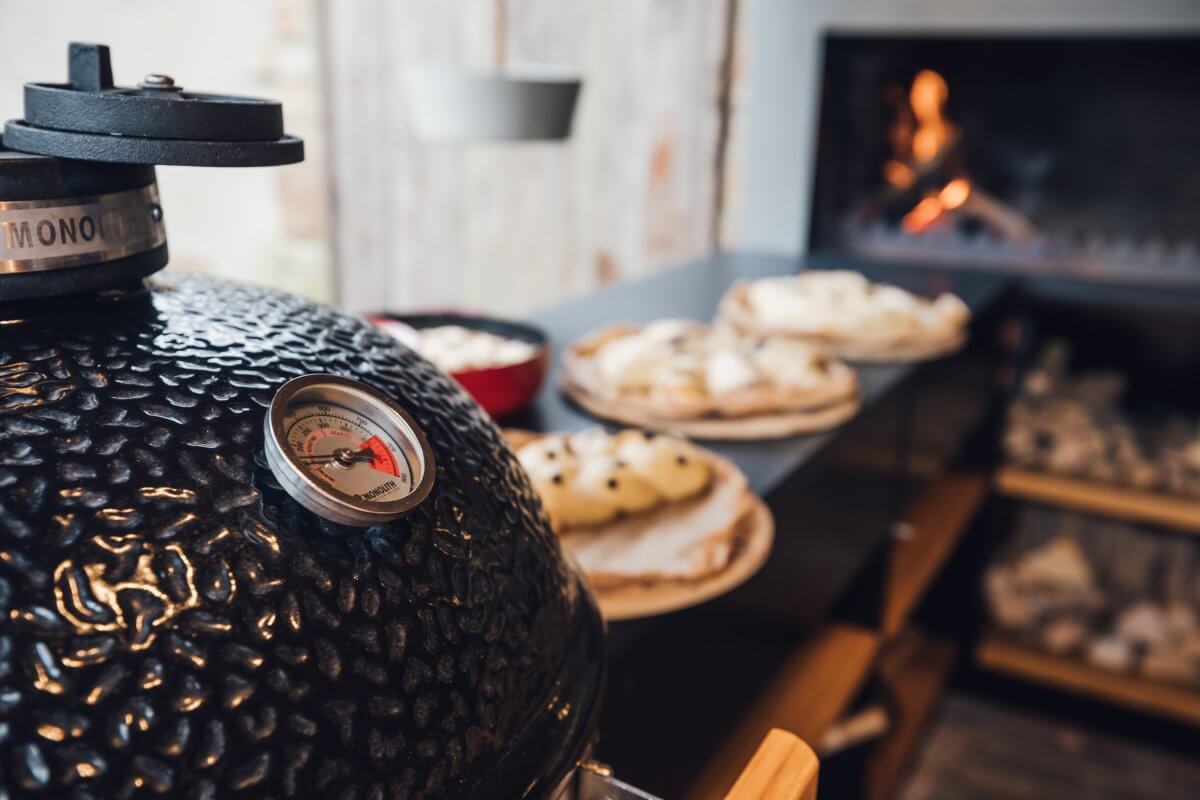
Monolith & Kamado cooking in winter: low-and-slow, pizza nights and care tips
Cold air, steady smoke and a ceramic kamado are a brilliant winter match. The dense ceramic holds heat, the lid stays down, and your garden fills with quiet wood aroma while you get on with the day indoors.
If you own a Monolith, winter is a great time to lean into low-and-slow roasts, overnight cooks and pizza nights. Below you will find practical lighting tips for cold weather, vent control guidance, fuel choices, pizza setup, safe winter routines and care that keeps your grill performing for years.
For accessories, parts and friendly advice, our team at Garden Chefs is happy to help. If you want to check stock before you plan a weekend cook, call 01383 669190 (Option 4).
What a kamado is and why it shines in winter
A kamado is a thick-walled, lidded ceramic charcoal grill that excels at holding steady temperatures. Monolith models pair that ceramic body with a well-sealed lid, precise vents and a Smart Grid System for multi-zone cooking. In winter, the insulation means fewer fuel top-ups and less fuss while outside temperatures dip.
You can smoke pork shoulder at 110-120°C, roast a chicken at 180°C, sear steaks at 300°C, or bake pizzas and bread. The same cooker handles all of it by adjusting airflow and fuel load.
If you are browsing models or accessories, see our Monolith page for current grills and add-ons that match this guide.
- Explore Monolith grills and accessories at our Monolith page: https://www.gardenchefs.co.uk/monolith/
Lighting in cold weather
Cold ceramics and denser winter air mean you should give the grill a touch more time to come up to temperature.
- Start with a clean firebox and open both vents fully.
- Build a small core fire using quality lumpwood charcoal and 2-3 natural firelighters.
- Let the initial bed burn clean for 10-15 minutes with the lid open to warm the ceramic.
- Close the lid, watch the dome thermometer, and begin dialling vents as you approach your target. Avoid blasting past your set point; it takes longer to cool a kamado than to warm it.
Use heat-resistant gloves and long tongs. A reliable digital probe thermometer is essential in winter when you want to minimise lid openings.
Vent control basics
Airflow sets temperature. Small changes go a long way on a kamado.
- Low-and-slow, around 110-120°C: bottom vent open a few millimetres to a pencil width, top cap cracked with the daisy wheel just open.
- Roasting, 160-200°C: bottom vent roughly 1-2 cm, daisy wheel more open.
- Pizza and searing, 250-350°C: bottom vent wider, top cap opened up; approach high heat gradually to protect the stone and glaze.
Make a tweak, then wait a few minutes for the ceramic to respond before making another.
Fuel that works when it is cold
Choose quality lumpwood charcoal. It lights faster, burns cleaner and creates less ash than briquettes. For smoke, add 2-4 chunks of hardwood (oak, apple, cherry) buried among the charcoal. Chunks give a long, even smoke; a big handful of chips tends to flare and fade.
For overnight cooks, build a deep charcoal bed with a few chunks placed at different depths. Aim for clean, thin blue smoke before adding food.
Low-and-slow and overnight cooks
Winter rewards patience. A Monolith can tick along for hours on a single load.
- Stabilise at your target before adding meat.
- Use a heat deflector for indirect cooking.
- Place a small drip pan to keep the fire clean and reduce flare-ups.
- Rely on a leave-in probe to monitor internal temperatures without lifting the lid.
- If you are sleeping on a brisket, set a temperature alarm on your probe or controller.
Keep the area around the grill clear of snow or leaves, and avoid moving a hot ceramic grill.
Perfecting winter pizza nights
Kamados are excellent pizza ovens when you get the setup right.
- Fit heat deflectors, then a pizza stone raised on spacers so the stone sits higher in the dome heat.
- Preheat fully. Target 275-325°C dome temperature and give the stone 25-40 minutes to saturate.
- Dust the peel lightly with semolina or use baking paper for the first minute to avoid sticking.
- Launch, close the lid, and rotate every 30-45 seconds for even top and bottom heat.
- Avoid heavy, wet toppings. Keep dough well proofed and bases thin.
If you host outdoors in winter, a little ambience helps. Our small-format flames pair nicely with pizza nights.
- Add a design-led table lantern for warmth and glow: https://www.gardenchefs.co.uk/product-category/hofats/spin-900-1200-1500
Safety, care and winter maintenance
- Thermometers: trust a calibrated digital probe for meat and an accurate pit probe or the dome gauge.
- Heat protection: use aramid or similar heat-resistant gloves, long tongs and a sturdy peel.
- Ash and airflow: once completely cool, empty ash to keep vents clear and reduce moisture.
- Cleaning: brush grates while warm, then wipe. For deeper cleans, burn off at a higher heat, cool, and scrape.
- Gaskets and seals: check for wear. Replace if you see fraying or obvious air leaks.
- Covers: fit only when the grill is fully cool and dry. Covers protect from rain, frost and debris.
- Storage: keep loose accessories indoors. Lightly oil exposed metal parts to resist rust on brackets and grates.
- Positioning: place on a stable, non-combustible base with a safe perimeter for children and pets.
If you are assembling a compact outdoor cooking area, a sturdy table or cart, prep boards and the right tools make winter cooks simpler. You will find long-handled tools, gloves and scrapers in our tools section.
- Browse essential tools and gloves: https://www.gardenchefs.co.uk/product-category/hofats/tools/
When to call it a day and cover up
After a cook, close both vents to extinguish the fire. Let the grill cool fully, brush grates, empty ash once cold, and wipe moisture from metal. Only then cover. If heavy weather is due, double-check wheel locks and move accessories under shelter.
FAQ
- What is a kamado barbecue?
A ceramic, lidded charcoal cooker with thick walls that hold steady heat for grilling, roasting, smoking and baking. - Are kamado barbecues any good?
Yes, they are versatile and efficient. The insulation helps maintain stable temperatures, even in cold weather, with excellent moisture retention. - Can you cook pizza in a kamado barbecue?
Absolutely. Use heat deflectors and a preheated pizza stone, aim for 275-325°C, and allow the stone to fully heat before launching. - How long do kamado grills last?
With routine care, quality models can last many years. Lifespan depends on use, storage and maintenance of components like gaskets and metal fittings. - Do kamado grills rust?
The ceramic body does not rust. Exposed metal parts can develop surface rust if left wet; light oiling, cleaning and a fitted cover help prevent this. - Are kamado grills easy to clean?
Day to day, yes. Brush grates while warm, empty ash when cold, and do an occasional higher-heat burn to clear residue. - Does food taste better on kamado?
Many people prefer the gentle wood-charcoal flavour and moisture retention. Taste is subjective, but the clean burn and steady heat are hard to beat.
A quick note on accessories and alternatives
If you like set-and-forget winter smoking but prefer a barrel format, compare options in our grill and smoker range. You can also add a compact tabletop barbecue for weeknight skewers or travel.
- See our wider grill and smoker options: https://www.gardenchefs.co.uk/outdoor-smokers/
- Try a portable barbecue for small spaces or trips: https://www.gardenchefs.co.uk/buy/portable-bbq-monolith-icon-black/
Summary and next steps
Winter is prime time for Monolith cooking. Build a clean charcoal bed with hardwood chunks, make small patient vent moves, and let the ceramic do the work. Preheat stones for pizza nights, keep thermometers and gloves to hand, and only cover when the grill is completely cool and dry.
If you want help matching accessories to your Monolith, or to check stock and delivery timing, call 01383 669190 (Option 4). Tracked UK delivery is available and timings vary by item and location; see product pages or checkout for exact dates.
