

 ESTIMATED DELIVERY DATE: 1-2 working days

Blog
Fire Bowls vs Fire Pits: Best Choice for Your Winter Garden
Nov
Fire bowls vs fire pits: which is best for your garden this winter?
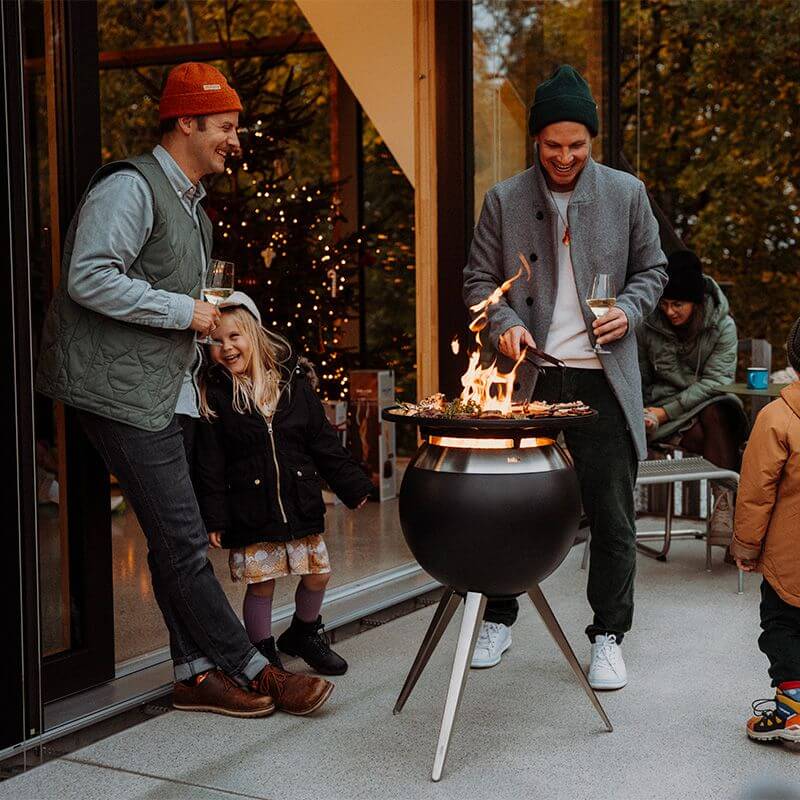
Crisp air, early twilights and the promise of cosy evenings outdoors. A good fire feature turns winter get-togethers into something you actually look forward to. The question is whether a sculptural fire bowl or a traditional or low-smoke fire pit will suit your space, your style and how you like to host.
This guide compares design, heat feel, footprint, fuels and cooking options, plus siting and care tips for considerate UK use in autumn and winter. By the end, you will know exactly what to choose and how to get it lit fast on a cold night.
What each one does well
- Fire bowls: Minimal, sculptural basins that celebrate flame and form. They create a wide, open fire bed and a panoramic view of the embers. Many designs double as a cooking hub with add-on planchas or grates. Best for design-led patios where the fire is a focal point.
- Fire pits: Enclosed or partially enclosed vessels that prioritise fire management and, in some models, reduced smoke. Round fire pits, square pits and modern fire tables span traditional steel through to cast and concrete looks. Low-smoke units use secondary combustion for a hotter, cleaner burn.
Heat feel and seating comfort
Open bowls throw radiant heat out and up. Sit within 1 to 2 metres and you get that satisfying face-warm, toes-thawing glow. Because the fire bed is open, you feel heat quickly and evenly.
Traditional fire pits feel similar, though deeper walls can shield cross-breezes and nudge heat upward. Low-smoke fire pits often run hotter, thanks to re-burn airflow. If you ask which fire pit gives off the most heat, larger low-smoke designs typically feel hottest for their size, as more fuel energy is converted into flame instead of lingering smoke.
Tables with integrated burners are best for steady ambience around dining height. If you are wondering whether tables with fire pits are any good, they are great for conversation-friendly warmth and zero ash, but they are not designed for serious cooking or big radiant heat bursts like a log-burning bowl or pit.
Footprint and surfaces
- Compact patios and terraces: Choose a smaller bowl or a low-smoke pit to keep heat concentrated with less drift. Protective base plates, stands and heat shields matter on decking and composite boards. For high-heat centrepieces like sculptural bowls, a specialist heat mat such as the Glowbus Dewdrop Shield helps protect vulnerable surfaces.
- Larger gardens: A medium to large bowl makes a bold centrepiece. If you host big groups, step up in diameter and add a spark screen to tame the odd pop.
Place any outdoor fire at least 2 metres from fences, overhangs, hedges and soft furnishings. Where not to put a fire pit: under low canopies, on artificial grass, directly on timber without a heat shield, or on unstable or sloped ground.
If you want to browse design-led options, see our outdoor fire pits collection for contemporary and round styles.
Fuels and neighbour-considerate burning
Winter air is still. Smoke hangs. In UK gardens, being considerate is as important as being warm.
- Kiln-dried hardwood logs: The classic choice for bowls and traditional pits. Go for low moisture content and avoid treated wood. Add a spark screen when breezy.
- Wood pellets: Some pits accept pellets with the correct insert. Pellets burn hot and consistently with reduced smoke.
- Charcoal: Useful if you plan to cook, especially with grills and planchas, then switch to logs for ambience.
- Bioethanol: Clean, low-smoke ambience for tight terraces and balconies. For tabletop flames with very low emissions, explore SPIN by Hofats, our bio ethanol fireplace range in compact sizes.
Best fuel for a fire bowl if you want real-fire theatre: kiln-dried hardwood logs. If smoke sensitivity is a concern, use a low-smoke fire pit design or switch to bioethanol for close neighbours.
Cooking: from skewers to plancha feasts
Fire bowls shine as social cookers. Add a half-moon or full-ring plancha to sear prawns, veg and flatbreads while keeping a cooler edge for finishing. A simple grate turns a bowl or pit into a bbq fire pit for steaks and skewers. After dinner, lift the cooking plate, feed a few logs and the conversation continues.
- Plancha essentials: Preheat until a water drop dances, scrape while warm and lightly oil to season. Explore our plancha grills and accessories for plates and tools.
- Grates and tools: Long tongs, a scraper and heat-resistant gloves keep service smooth. See our grill accessories for curated, well-made kit.
If you lean toward all-season outdoor cooking, pair your fire feature with a dedicated grill and smoker setup for weekends, then keep the fire for evenings. Browse our grill and smoker category for inspiration.
Materials: the best metals for bowls and pits
- Corten steel: Designed to weather into a protective patina. Low maintenance, architectural and sturdy.
- Thick-gauge carbon steel: Robust and great at absorbing and radiating heat. Needs light oiling to resist rust.
- Cast iron: Hefty, heat-soaking and timeless. Treat with care on delicate surfaces.
- Stainless steel: Clean-lined and corrosion resistant, ideal for modern terraces.
Choose weight and thickness you can manage. Heavier bowls feel stable in winter winds and hold heat longer.
Safety, siting and covers
- Base and clearance: Solid, level, non-flammable surface with at least a 2 metre perimeter clear of soft furnishings and planting.
- Screens and shields: A spark screen is smart on breezy nights. Use heat shields or mats on timber and composites.
- Covering: Should you cover your fire pit? Yes. Once completely cool and dry, fit a breathable, well-sized cover to keep out rain and frost. We stock fitted covers for many ranges.
- Movement and refuelling: Allow full cool-down before moving, refuelling or covering. Use long lighters and gloves.
Quick-start winter checklists
Cold-evening lighting
- Lay two firelighters, add a lattice of kindling, then two small logs.
- Light, leave airflow unobstructed and wait for steady flames before adding larger logs.
- Keep a spark screen and ash tool to hand.
Surface protection
- Verify the surface is heat-safe; add a stand or heat shield if on decking or composite.
- Position at least 2 metres from structures; check wind direction.
- Have water or an extinguisher nearby; never leave fires unattended.
Neighbour-considerate burning
- Use kiln-dried logs or a low-smoke pit.
- Avoid damp wood and avoid lighting on very still, foggy evenings.
- Finish burns early and let the bed fall to embers before late hours.
FAQs
Are fire bowls worth it?
Yes, if you value a sculptural focal point, fast radiant warmth and versatile cooking with add-on plates. They are a design statement that works hard.
What is the purpose of a fire bowl?
Ambience, warmth and social cooking. It anchors a seating area and provides a wide, open view of flame.
Which fire pit gives off the most heat?
Like-for-like sizes, low-smoke fire pits often feel hottest due to secondary combustion. Larger diameter and thicker metal also help with heat output and retention.
Are tables with fire pits any good?
Great for steady, low-maintenance ambience around dining height. They are not for heavy cooking or intense radiant heat.
Where not to put a fire pit?
Under low roofs, on artificial grass, directly on unprotected timber or composite, near hedges or fences, or on unstable, sloped ground.
Should you cover your fire pit?
Yes. Once fully cool and dry, a fitted cover helps prevent rust, frost damage and debris buildup.
What is the best fuel for a fire bowl?
Kiln-dried hardwood logs for classic theatre. Use low-smoke designs or bioethanol in sensitive settings.
Choosing between them
Pick a fire bowl if you want a sculptural centrepiece with plancha options and that open-fire feel. Pick a low-smoke fire pit if neighbour comfort is key and you like hotter, cleaner burns with less tending. If you prefer turn-key control, a gas fire pit table offers steady flames without ash.
If you would like a closer look at modern designs and sizes, explore our contemporary outdoor fire pits selection. For compact, low-smoke ambience on tables and sideboards, see Hofats SPIN in our bioethanol fires range. For cooking plates, scrapers and gloves, browse our tools for BBQ and plancha pages.
Summary
Both fire bowls and fire pits can transform winter evenings. Bowls win on sculpture and open-fire cooking. Low-smoke pits win on clean burn and neighbour-friendly warmth. Choose quality metals, protect your surface, use dry fuel and fit a cover once cool. If you want personalised advice or to check stock, call Garden Chefs on 01383 669190 (Option 4). Tracked UK delivery is available and exact dates are shown at checkout on product pages.
